June 3, 2026
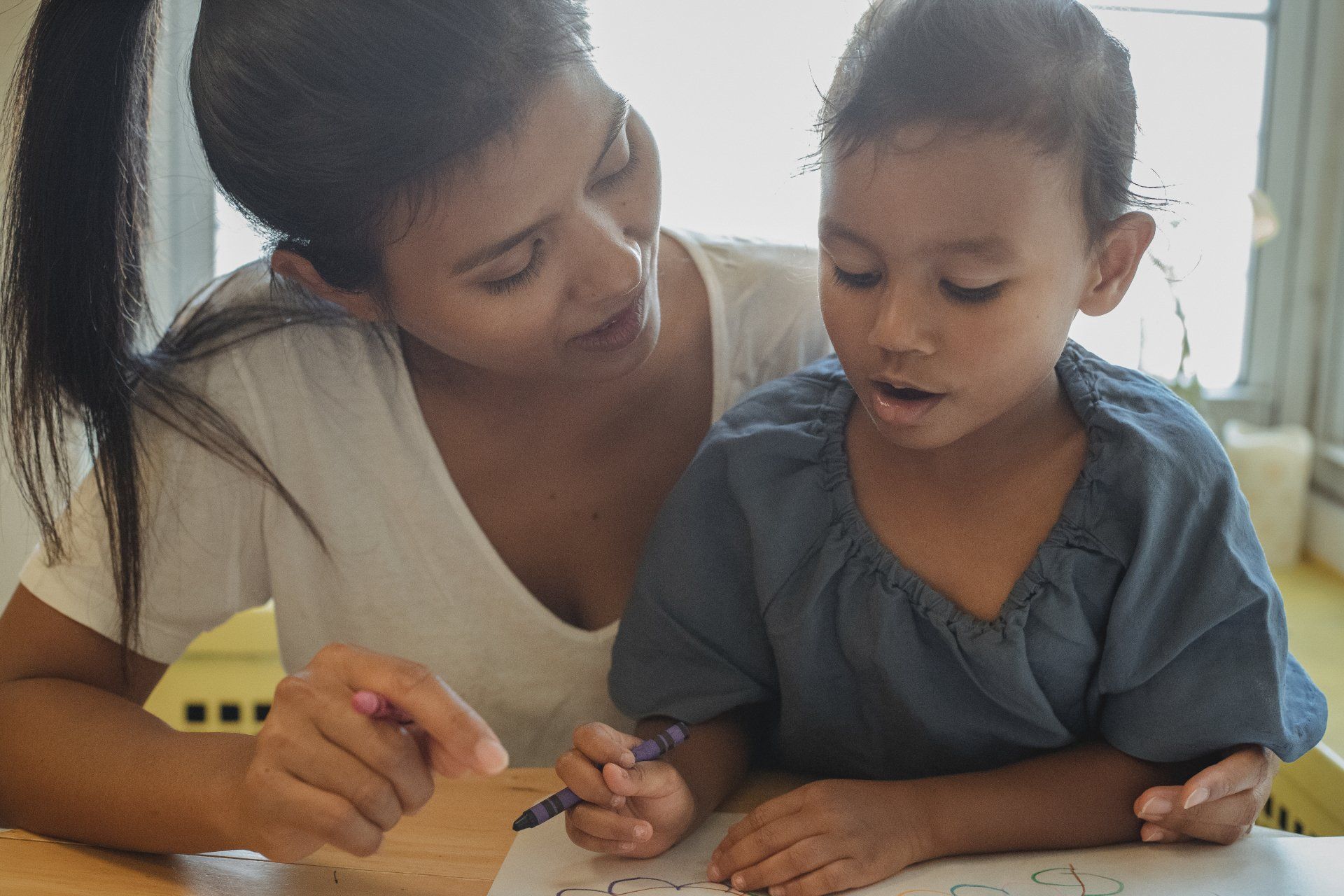
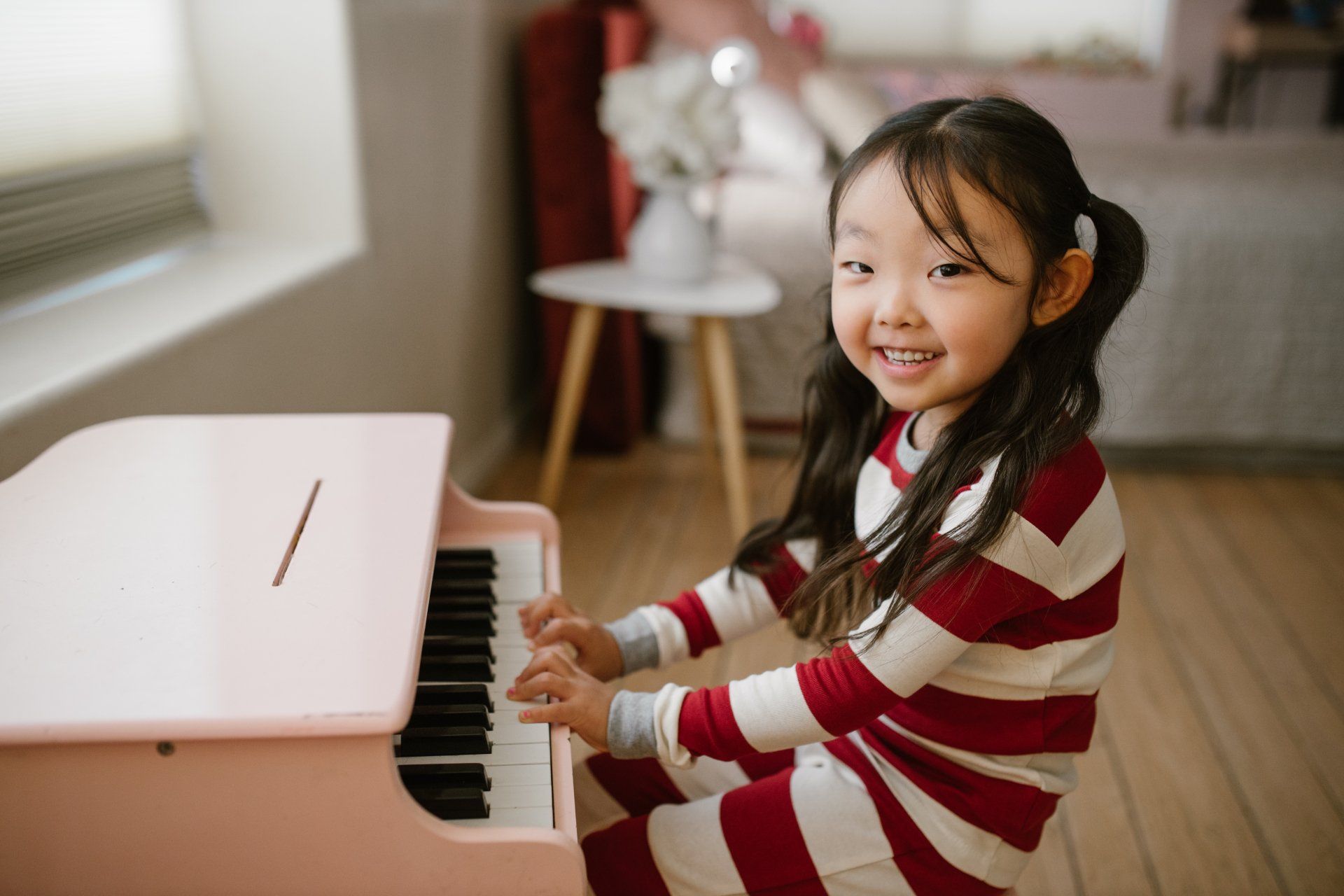
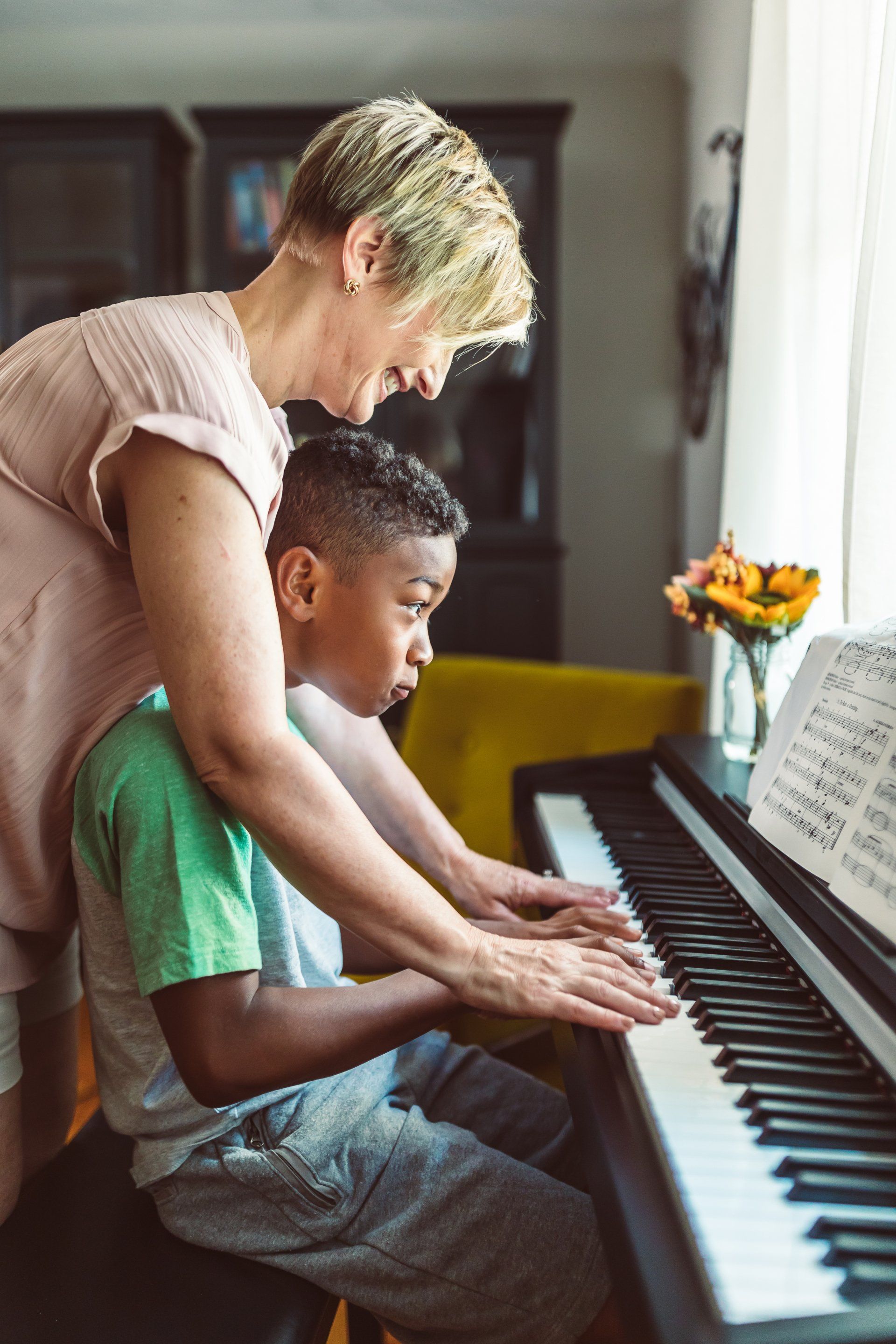
by Ruth Meints Those who aspire to live out the Suzuki philosophy in their daily lives are committed to the inherent potential of every person, no matter their role (teacher, student, parent). In order to successfully “practice” Suzuki principles, the development of strong relationships between each point on Suzuki’s teacher/student/parent triangle is essential. In a perfect world, the triangle would be equilateral and expand exponentially over time. But, just as any practice is constantly changing and evolving, I’ve noticed there will always be times when one or more sides of the triangle will need extra support and strengthening. Boosting creativity brings new energy to any endeavor, and new energy usually results in growth! Besides adding an element of spontaneity and fun, increased creativity can restore the health and productivity of patterns in need of positive change. Dr. Suzuki said, “Life is practice. Life means continuing to train oneself and develop oneself by reflection.” (Ability Development from Age Zero, p. 84) Practicing is the outward expression of a learning spirit. It is the platform where the practitioner engages openly with the challenges they are encountering. When we practice something, our creativity helps us find effective solutions. If “life is practice,” as Dr. Suzuki says, then even our success in life depends on creativity. How do we foster more creativity in each point of the Suzuki triangle: ourselves, our students, and the parents in our studio? Is it possible to become more creative? Are there some practical tools for lighting the creative fires? In his book Human Motivation, Robert Franken defined creativity as “the tendency to generate or recognize ideas, alternatives, or possibilities that may be useful in solving problems, communicating with others, and entertaining ourselves and others.” The three areas he identifies—problem solving, communicating, and engaging—all apply to each participant in the Suzuki triangle. Although all three of these creativity factors are important for teachers, parents and students, there’s one for each role that is mission-critical. Fostering Creativity for the Suzuki teacher: Problem Solving Problem solving is the essence of teaching and is absolutely necessary if a teacher wants to effectively help a student improve. Suzuki teachers are some of the most creative people I know. To think creatively about teaching is a lifestyle! There’s always a new game to teach a tricky technical skill or a new way to present the same idea to a student who hasn’t quite grasped a concept. A teacher’s creativity needs vitality in all three areas: innovative solutions, fantastic communication skills, and an engaging manner of presentation. But, it seems like there is a natural ebb and flow to these creative juices. If the creative spark starts to fizzle out, how can a teacher stoke the fire? Becoming more creative and staying inspired requires exposure to lots of diverse experiences, ideas, and thoughts. The opposite—total lack of stimulation—also works. Inspiration can come from quieting yourself enough to hear innovation bubbling up. Usually a person seeking more creativity will be aware of whether they need more stimulation or less, depending on their lifestyle. Austin Kleon’s book Steal like an Artist holds a lot of great tools for fueling creativity, which translate well for a music teacher’s inspiration. Here are a few I’ve used to help spur fresh ideas: 1: Find an interesting hobby that’s not in the music field. These hobbies set you up for whole new circles of influence and relationship possibilities. Hobbies can also provide an activity that diverts your attention away from the thing you think about most of the time, like teaching. This gives your brain resting time, which can energize your thoughts when you step back into the studio. 2: At all times, keep a way to record your ideas and questions as they come up. If you have a place to write down or voice record your new ideas (in a small notebook or cell phone), you’ll capture some of the inspiration that might otherwise be forgotten. Young children are naturally curious and ask lots of questions. When a person reaches adulthood, somehow this questioning nature tends to diminish. If there’s anticipation of inspiration, it can awaken the curiosity of youth or even just make you aware of your questions and ideas before they get trampled by the “to do” list of the day. Curiosity plays such a vital role in learning. The more curiosity a person fosters, the more their learning spirit will thrive! 3: Identify your role models and learn everything you can about how they got to where they are. Stravinsky once said, “Lesser artists borrow, great artists steal.” Continuing to have role models is so important for teachers because often the teacher is the role model for their students. Striving to be a better version of ourselves is a lifetime pursuit. The path that a role model took to their success can shine a light on a new way of thinking that’s proven to work. “Success breeds success,” but with a twist! Another person’s testimony brings hope that the same thing can happen again. Reading a biography or interview of a great performer or teacher can give valuable insights into what kind of practice they did to achieve their results. A pastor from England said, “Our generation can stand on the ceiling of the generations who have gone before us.” Learned wisdom should belong to the community. 4: Challenge yourself every day to think of a fresh example to describe a technique you frequently teach. For example, staccato could be described as a chicken pecking grain, the sound of morse code, or a pencil tapping on the table. It makes teaching a lot of fun when you can’t use your “old standards.” 5: Get away and do nothing! We are often on overload, so creativity goes by the wayside as we navigate a tragically full calendar. A physical and mental break are true necessities and should be scheduled along with everything else! Fostering Creativity for the Suzuki Student: Engagement Entertainment and fun engage the whole brain in the learning process. The student who can entertain themselves during practice in a creative way will always make rapid progress. And, according to Dr. Suzuki, “Children learn abilities best when they are having fun.” (Ability Development from Age Zero, p. 20) Creativity can be stimulated by taking two unrelated items and trying to make a connection between them. There’s a popular game called Code Names where this skill is built. The clue giver must connect as many of their words as possible with a single one-word clue. This same skill can be encouraged in the studio by posting a group of photos and asking a question about how they relate to what they are learning on their instrument. For example, I posted these three pictures outside my studio with the following question: “What are these pictures teaching you about your playing?” (See top image) Examples of photos displayed for students to stimulate their creativity. It was amazing to hear the vast array of answers I received and how each of their answers reflected what they personally needed to improve in their playing. One student said the pictures encouraged her to maintain a great bow path while another student said he needed to focus on his practice session goals, rather than going off on tangents. Every student makes progress at their own pace, but it’s easy for students to be more creative when they are highly motivated to learn. When there is a hunger for learning, more practicing will occur. An increase in practice time requires new practice strategies. Creativity in developing a practice plan develops ownership, which fuels motivation. That’s a great cyclical pattern to get caught up in, but the cycle begins with motivation. In general, a student will become more engaged by an environment that feeds their unique motivational style. The parent and the teacher can stoke the embers of motivation with careful analysis of the child’s motivational styles. These motivational styles are related to four areas: leadership, community, intellectual stimulation, and achievement. Students who have strong personalities will be drawn to leadership opportunities with peers or mentoring for younger studio members. Group classes give Suzuki teachers a phenomenal engagement tool for those motivated by community. Sticker charts and fun studio challenges engage students who are motivated by achievement. When music history and special research projects are included in the lesson, this stimulates the intellectual learner. My book, The Music Teacher’s Little Guide to Big Motivation, and Rick Lavoie’s book Motivation Breakthrough include a quiz to determine top motivational styles and offer many practical suggestions for creating the most motivational environment for each type. Fostering Creativity in Parents: Communication Communication is the basis for building strong relationships and every Suzuki parent is the connector between what the teacher communicates to the child in their lesson and what is happening in the home practice sessions. How well the parent communicates with their child and the teacher dramatically impacts the success of the musical journey. In my experience, this aspect of creativity often needs the most nurturing from a parent. It can often feel like navigating through a foreign country—music as a second language! A parent has the best chance to influence the engagement of their child by creating an environment that caters to their child’s motivational style. At the same time, when the challenges and victories that occur in the home practice are shared with the teacher, it can shed so much light for the teacher on what needs to happen next to keep progressing. Besides the confidence and encouragement that the teacher can provide, the parents will flourish in a rich community of other parents going through the same things that they are experiencing. Group classes are as much for parents as they are for students. Stronger parent relationships generate more creativity, as parents can share their ideas with each other. The suggestions of other parents can be just the right creative idea to take back to their home practice session. Creativity is developed within the parent community through shared experiences and support for each other. Creativity deepens the learning experience and brings joy to every situation. It’s worth investing time to build creativity skills for better teaching, increased communication ability, and simply enjoying the “practice” of life. Actress Mary Lou Cook sums it up so well: “Creativity is inventing, experimenting, growing, taking risks, breaking rules, making mistakes, and having fun.”